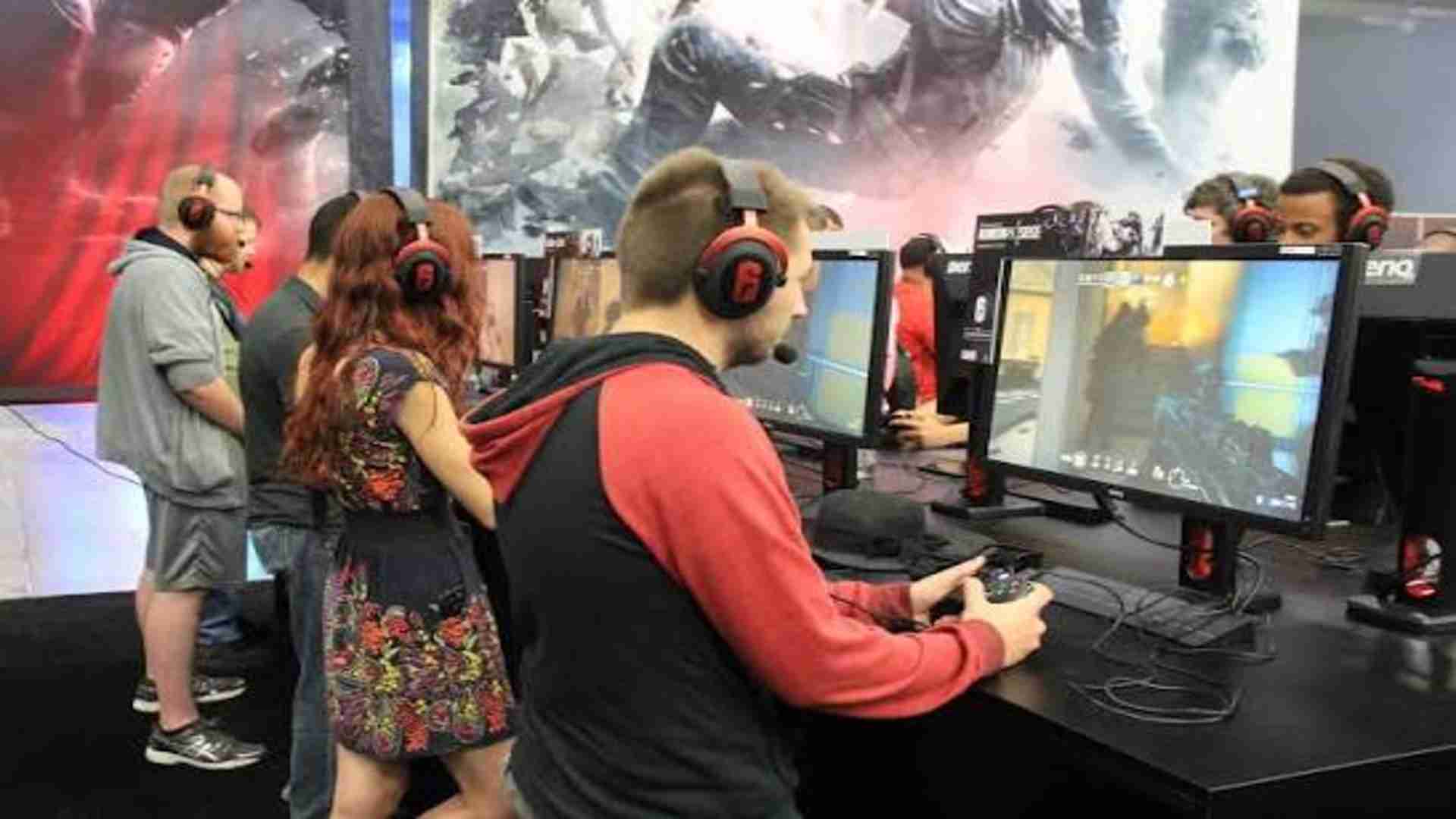
The landscape of modern digital entertainment has evolved from simple individual challenges into sprawling multiplayer environments that place a high premium on collective success. Today, players from around the globe connect to engage in complex virtual campaigns that cannot be completed by one person alone. This shift has turned video games into highly collaborative spaces where success depends entirely on a group's ability to sync their actions in real time.
The Core of Collaborative Mechanics
In highly intense multiplayer titles, developers design intricate obstacles that force players to rely on complementary skills. A well-balanced squad typically requires distinct roles, such as tactical leaders, defensive specialized shields, and supportive operators. When individual players understand their specific functions within the group, the entire team operates like a finely tuned machine.
This reliance on group dynamics creates a deep sense of mutual trust and collective responsibility among participants. Unlike traditional action games that prioritize fast reflexes, these strategic environments reward patience, careful planning, and shared execution. As groups navigate these challenges together, they develop a unified approach that turns potential defeat into a structured victory.
The Role of Real-Time Communication
Successful team execution is nearly impossible without a continuous and clear exchange of information during fast-paced encounters. Modern titles frequently integrate advanced voice communication tools and dynamic ping systems to help players share critical updates instantly. These systems allow squads to call out enemy positions, manage shared resources, and adapt to sudden environmental changes without delay.
When these communication channels function perfectly, the need for rigid leadership decreases because coordination becomes built directly into the system. For players looking to access these connected digital environments on the go, utilizing platforms like m88.com mobile provides a seamless gateway to interactive communities. Ultimately, establishing a clear dialogue ensures that all team members remain perfectly aligned with the primary objective.
Developing Long-Term Group Synergy
Building a powerful cooperative squad requires consistent practice and a deep familiarity with your teammates' personal playstyles. Over time, groups that play together regularly develop implicit coordination, allowing them to predict each other's movements without explicit instructions. This level of synergy turns casual gaming sessions into highly sophisticated displays of collaborative expertise.
Furthermore, these structured virtual environments help participants sharpen valuable real-world interpersonal skills, including collective decision-making and problem-solving under pressure. The lessons learned while managing complex virtual tasks often translate into improved productivity and trust within real-life professional teams. It demonstrates that the benefits of intense digital collaboration extend far beyond the virtual scoreboard.
Evolving Challenges and Endless Engagement
To sustain active communities, game developers continuously introduce fresh content, live events, and escalating difficulty levels that push team capabilities to their absolute limits. These dynamic updates guarantee that even veteran squads must regularly evaluate and refine their established tactics to remain successful. The constant evolution of the virtual landscape keeps the gameplay fresh and deeply engaging for long-term players.
As the complexity of these digital battlegrounds increases, the satisfaction derived from achieving a shared goal becomes even more rewarding. Facing unpredictable scenarios encourages teams to experiment with innovative strategies and adapt to evolving circumstances together. It is this endless cycle of challenge and cooperation that defines the true spirit of modern multiplayer gaming.